
SINGULARITY
AI Essay Contest
Where the next generation defines the future of artificial intelligence.
What Is Singularity?
Veritas AI works with high school students across 160+ countries to build real understanding of artificial intelligence. We believe the most important conversations about AI should include the next generation of thinkers - not just the institutions building it.
The Singularity: AI Essay Contest invites exceptional high school students to engage with questions that will define how humanity thinks, works, and lives. Prompts are contributed and judged by researchers from MIT, Yale, and Oxford. We are looking for clarity of thought, depth of argument, and the courage to take a real position.
Free to enter and open worldwide, winners receive up to $2,490 in scholarships to any Veritas AI programs, plus cash prizes up to $500 for top finishers. Are you ready to shape the future?
Why Enter?
-
Scholarship & Cash Awards Up to $2,490 in scholarships toward any Veritas AI program, plus cash prizes of $500, $400, and $300 for Gold, Silver, and Bronze.
-
Global Recognition Winners featured on the Veritas AI website, recognized across our international community.
-
Expert Mentorship Judged by researchers from MIT, Yale, and Oxford.
-
World-Class Community Join 3,200+ students and 200+ mentors in the global Veritas AI network.
2026 Awards
Scholarships apply to any Veritas AI programs.
Note: Scholarships are awarded as a tuition reduction upon acceptance into a Veritas AI program. Receiving a scholarship does not guarantee admission.
Choose Your Prompt
Select one of the three prompts below. Essays must be less than 1,500 words (excluding in-text citations and bibliography), MLA 8th edition format.
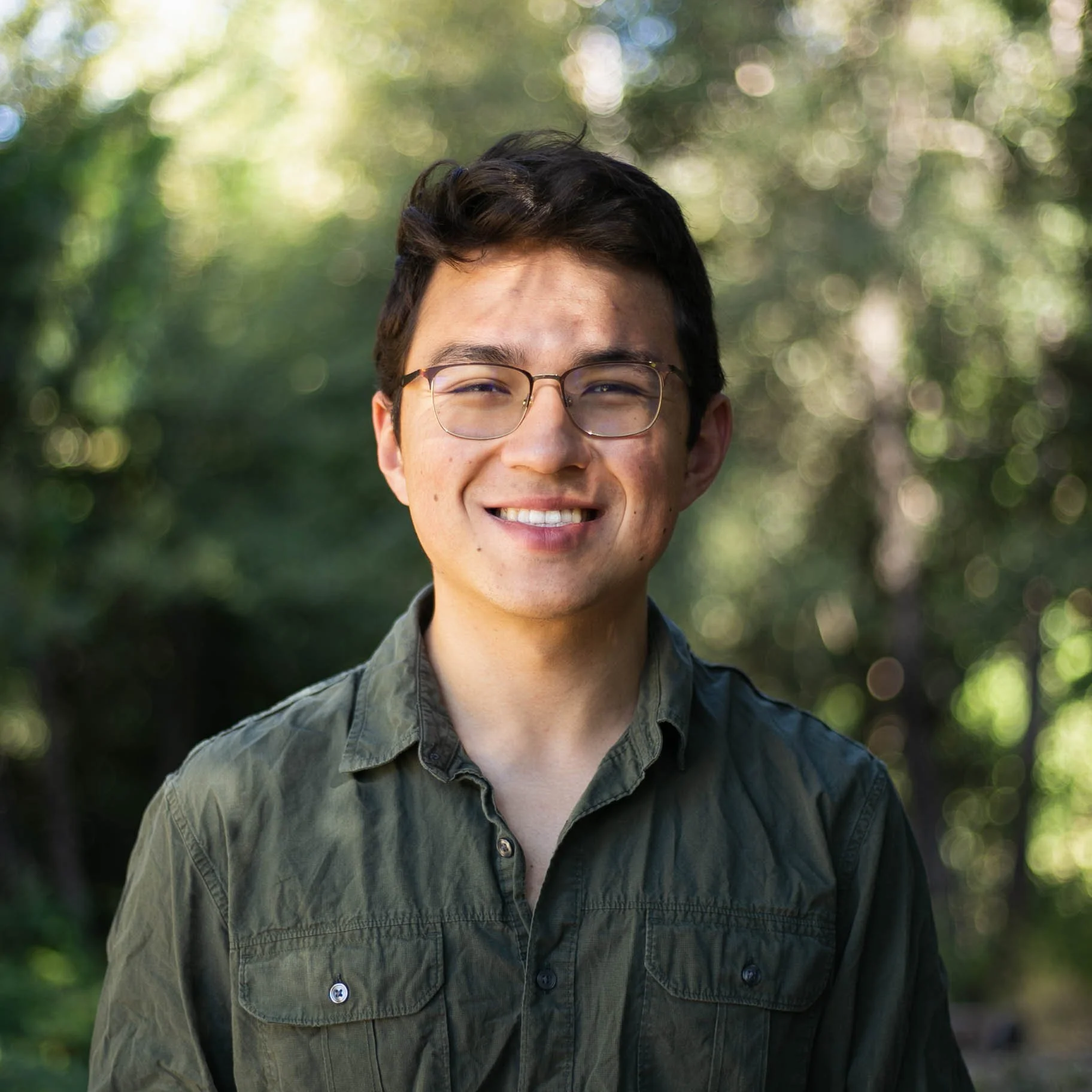
Can an AI system truly "understand" and "discover" scientific theories, or is it only approximating patterns in data? Does the distinction matter?

If we have AI, how should the world change?
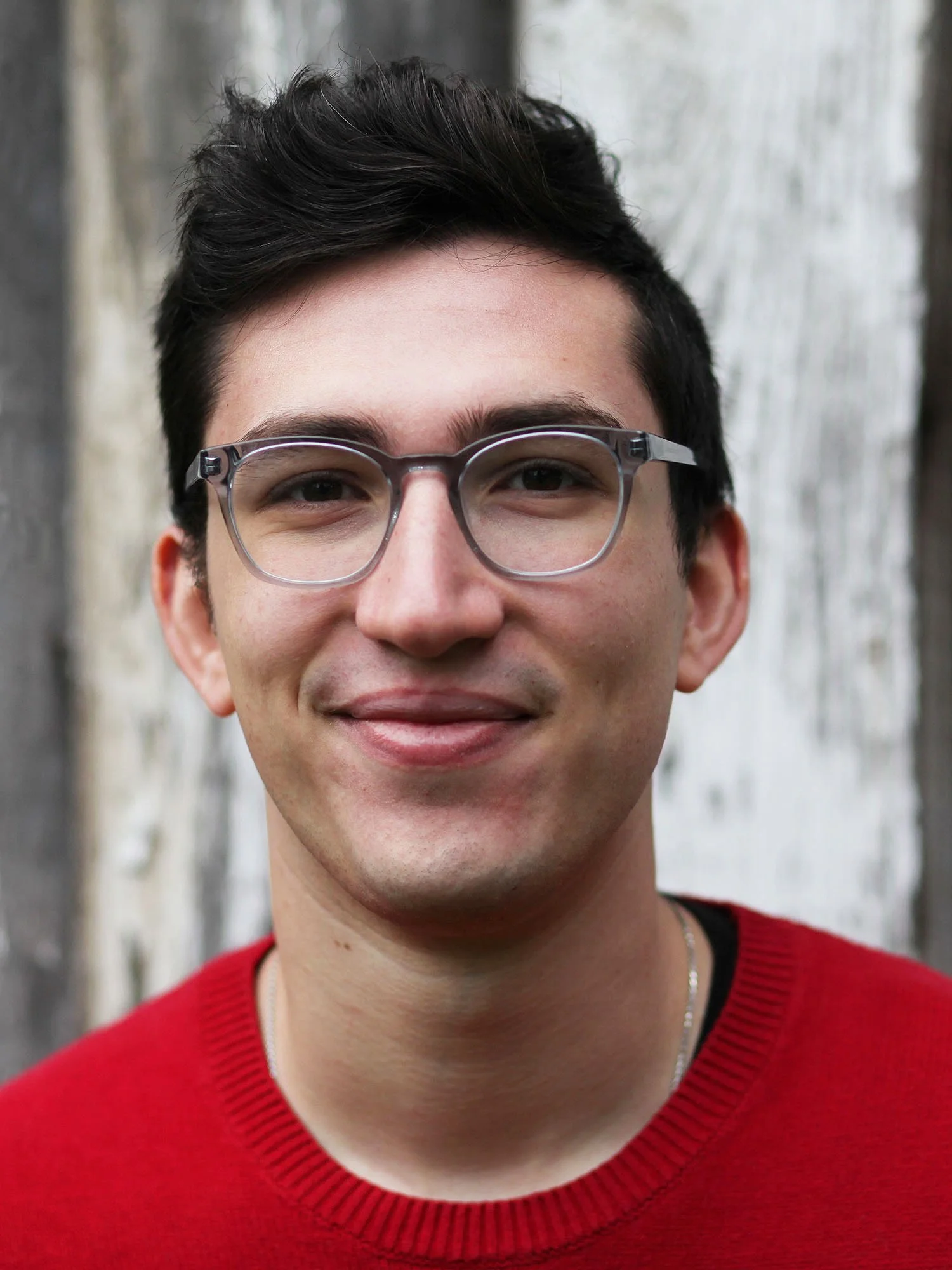
Does AI make individual intelligence less valuable?
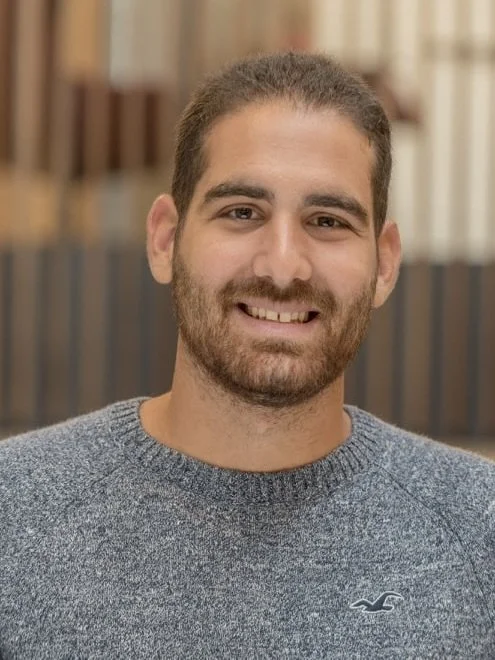
How should society balance technological progress with social responsibility to workers?
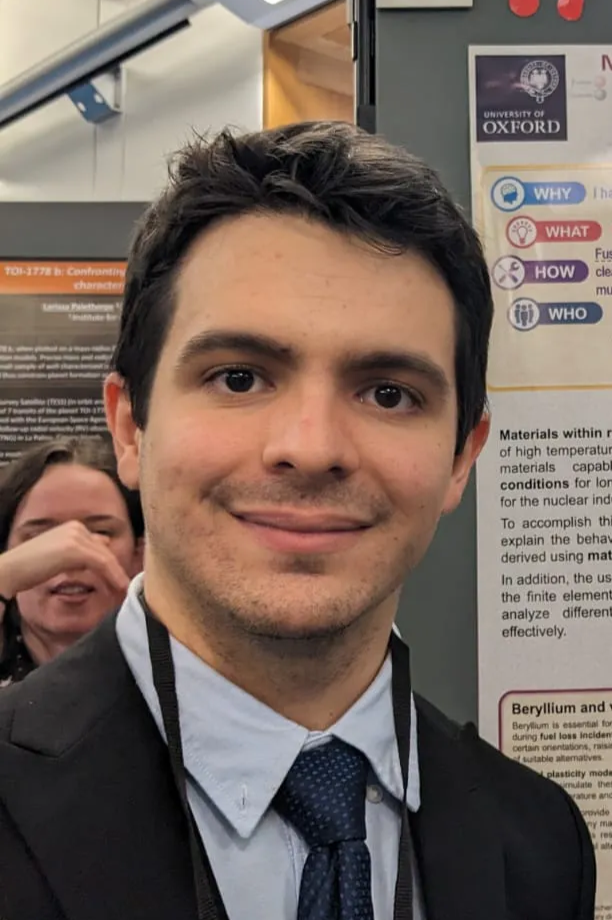
In a world where AI can generate art, code, and literature in seconds, what remains uniquely human about the creative process?
Interested in the next round?
Register for Future UpdatesHow Essays Are Judged
Essays are reviewed and scored across five criteria in a double-blind review process by a panel of judges from MIT, Yale, and Oxford.
Key Dates
Eligibility & Submission
Who Can Enter
- Students enrolled in grades 9 to 12 as of May 31, 2026 are eligible to apply.
- The contest is open to students from all countries worldwide. Essays and referral sources must be submitted in English.
- No prior AI or computer science experience is required. Each student may submit one essay.
- Entry is completely free of charge.
Submission Requirements
- Essays must not exceed 1,500 words, excluding in-text citations and bibliography.
- All essays must use MLA 8th Edition citation format.
- Submissions must be original, unpublished work written solely by the applicant. Joint or collaborative submissions are not permitted.
- Students may seek verbal feedback from teachers or peers, but all written work must be their own. Paid editing or writing services are not permitted, and plagiarism will result in disqualification.
- All use of AI tools must be declared. If AI was used, you must specify the extent and purpose. Any use will negatively impact evaluation, and extensive reliance may result in disqualification.
- Essays must use formal academic language. We are looking for argumentative, research-based writing, not original research.
- Each participant must provide the email address of an academic referee, such as a teacher or school counselor, as we may contact them to verify authenticity.
- Submit your essay here
Frequently Asked Questions
No. The Singularity Essay Contest is completely free to enter.
No. Each student may submit one essay responding to one prompt.
No prior AI knowledge is required. We are looking for clear thinking, strong argumentation, and genuine engagement with the prompt.
All essays must use MLA 8th Edition format for citations and works cited pages.
The body of the essay counts toward the word limit. The title, in-text citations, and bibliography do not count.
Scholarships apply toward any Veritas AI program, including AI Scholars, AI Fellowship, and Deep Dive Programs.
The shortlist will be announced on May 11, 2026. All shortlisted students will be contacted via email. The full award ceremony takes place May 16, 2026.
The award ceremony will be held virtually, allowing winners from around the world to participate.
Participants are required to declare any use of AI tools in connection with their essay. If AI was used, you must clearly specify the extent and purpose of its usage. Any use of AI will negatively impact evaluation, and extensive reliance may result in disqualification. Incomplete or misleading declarations will lead to immediate disqualification.
Spring 2026 Submissions Are Closed
Thank you to everyone who participated. Want to be the first to know when the next round opens? Register below for future updates.
Questions? Contact us at director@veritasai.com